
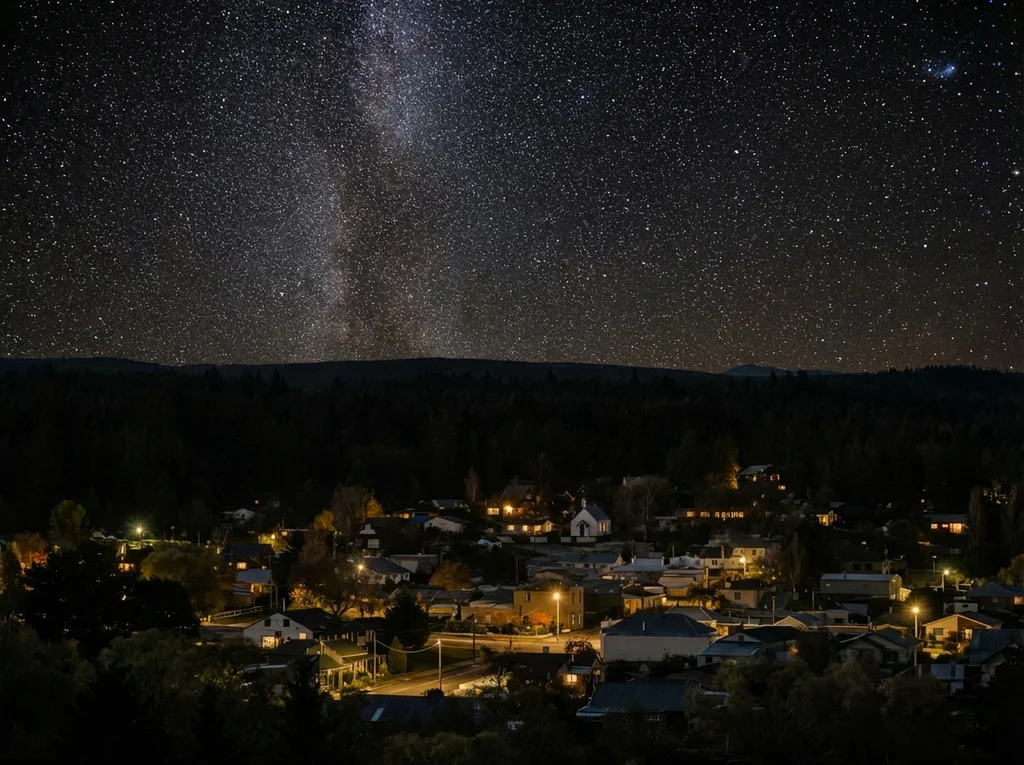
Why Naseby is special for stargazing
A protected night sky for future generations
In 2025, Naseby became New Zealand's first International Dark Sky Community. This prestigious status places our town in a select group of locations worldwide recognised for their exceptional starry nights and commitment to protecting them.
The entire community has embraced warm-coloured, shielded lighting to keep the sky dark. For you, this means pristine views of the stars straight from the town centre, without needing to travel to a remote reserve.
- Very low light pollution thanks to a small population and strict lighting guidelines
- Clear, dry Central Otago air that often delivers sharp, high-contrast views of the stars
- A compact town layout so you are never far from a dark viewpoint, even on foot
Your private observatory
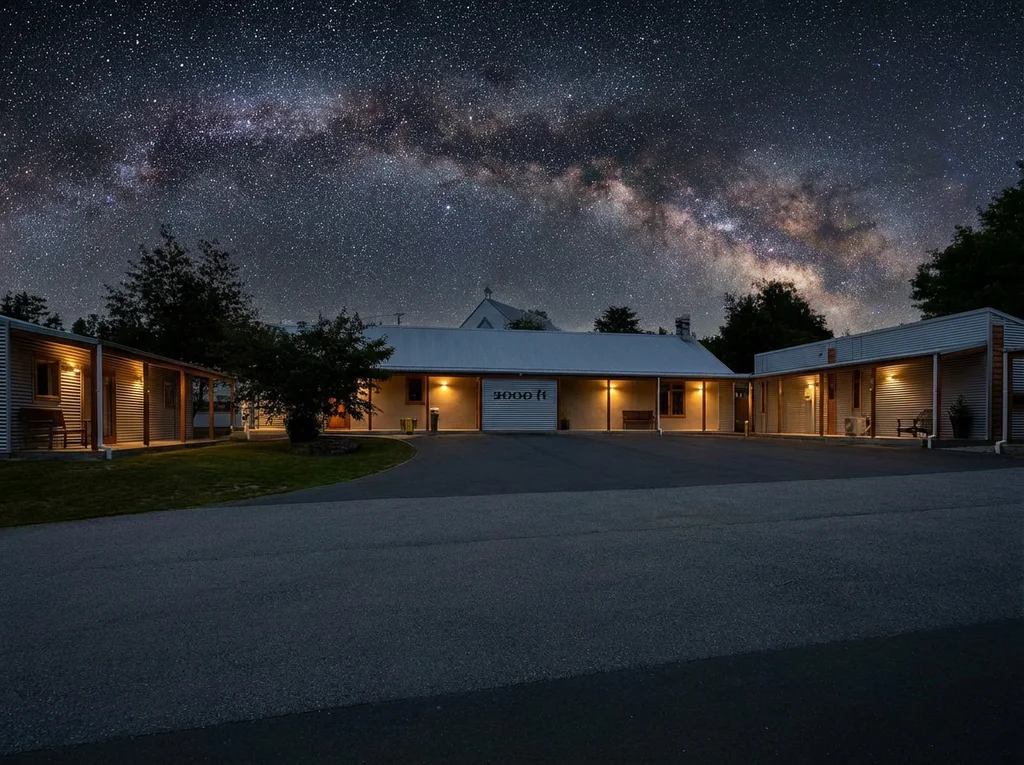
Naseby Apartments offer the perfect balance of comfort and adventure. Our modern, warm apartments mean you can enjoy the night sky in short bursts, retreating indoors to warm up whenever you like.
There is no need to drive anywhere. Simply bring a blanket and a hot drink out to your private deck, switch off the lights, and let your eyes adjust. Within 20 minutes, you will see layers of stars that are simply invisible in a city.
Weather in the high country is changeable, which is part of the charm. Staying for several nights significantly increases your odds of experiencing that one unforgettable, crystal-clear evening.
What you can see in the southern sky from Naseby
The Southern Hemisphere sky is rich in bright stars and nearby galaxies not visible from the north. From Naseby, on a dark night, you have a front-row seat to these celestial highlights.
The Milky Way
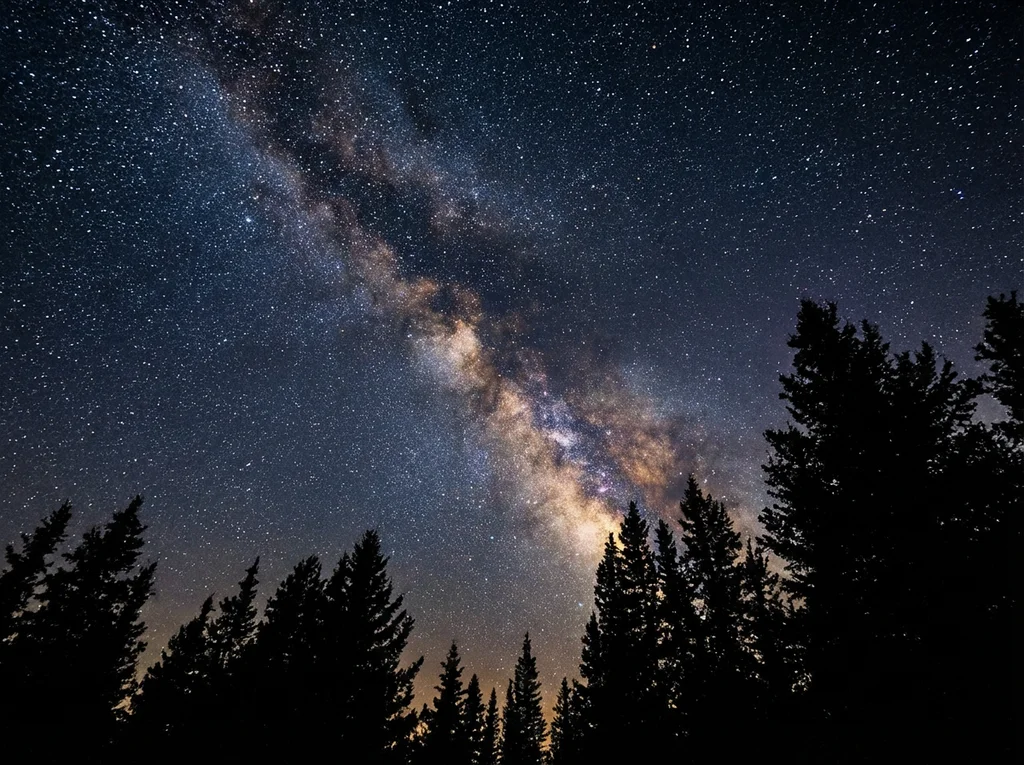
The core of our galaxy is spectacular from Naseby. In mid-winter, the brightest part of the Milky Way climbs high above the southern horizon, creating a stunning arch of light and dust lanes across the sky.
- Best contrast on moonless nights, especially from late autumn to early spring
- Look for darker patches and bright knots - these are dust lanes and star clouds in the galaxy itself
Southern Cross and the Pointers
The Southern Cross (Crux) and the two bright Pointer stars are visible year round from Central Otago and quickly become reference points in the sky.
- Easy to spot to the south, above the hills and forest
- Useful for orienting yourself and for showing children which way is south
The Magellanic Clouds
These two dwarf galaxies orbit our Milky Way and look like detached pieces of it. They are visible to the naked eye from Naseby as faint, glowing clouds - a sight unique to the southern sky.
- Visible all year on clear, dark nights
- Easier to pick out if you avoid looking directly at them and use your peripheral vision
Planets and the Moon
Depending on the time of year, bright planets such as Jupiter, Saturn and Venus often appear as steady points of light. A slim crescent Moon can add drama to the scene, while around full Moon the sky is much brighter and fewer stars are visible.
- Use a mobile stargazing app to identify planets during your stay
- For the richest star views, aim for dates near new Moon or when the Moon sets earlier in the evening
When is the sky fully dark?
After sunset the sky goes through several stages of twilight. For deep sky objects like the Milky Way and the Magellanic Clouds you will get the best views once astronomical twilight has finished and the sky is fully dark.
Cloud cover matters just as much as timing. Central Otago enjoys many clear nights, but choosing a stay of several nights gives you more flexibility to work around passing fronts or high cloud.
- As a simple rule of thumb, expect the sky to be properly dark about 60-90 minutes after sunset
- In winter the transition is a little faster, in midsummer it can take closer to 2 hours
- To plan ahead, you can check local sunset and astronomical twilight times for Naseby or nearby towns on astronomy or time websites before you travel
Tips for the best view
- Dress in warm layers, including a hat, gloves and thick socks – Naseby’s nights are cold even in late spring and early autumn.
- Bring a blanket or sleeping bag so you can sit or lie outside comfortably for longer periods.
- Use a red-light torch (or phone app mode) to protect your night vision; avoid bright white lights.
- Dim or switch off as many outdoor and indoor lights as you can to reduce glare.
- Download a stargazing app like Stellarium or Star Walk beforehand to help identify planets and constellations.
- Give your eyes at least 15–20 minutes to adapt fully without checking bright screens.
- If you have binoculars, bring them – they reveal rich detail in star clusters and the Magellanic Clouds.
- Check the Moon phase; darker nights around new Moon show far more of the Milky Way.
Guided experiences with Naseby Night Sky Tours
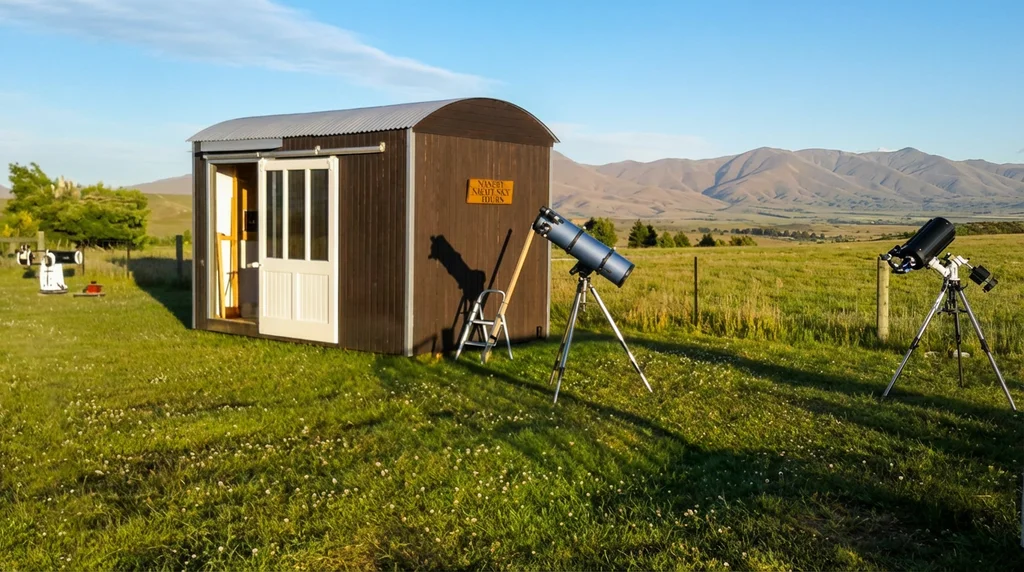
If you would like an expert along for your first night under the stars, Naseby Night Sky Tours offers small-group dark-sky experiences run by qualified astrophysicist Paul Bishop.
Paul has a strong astronomy background and a passion for sharing the southern sky. Tours typically include naked-eye viewing, telescope time on key objects and clear explanations pitched at all levels, from first-time visitors to keen amateur astronomers.
Sessions are weather dependent and group sizes are kept small so that everyone gets time at the eyepiece. It is best to book ahead for busy periods and to keep one or two backup nights available in case conditions change.
- Naseby Night Sky Tours - official website
- Suitable for most adults and older children who are happy to be outside after dark
Explore more Naseby themes
Stargazing is only one part of what makes Naseby special. You can combine clear nights with daytime adventures, family time or a quiet break. Each of these themes has its own short guide:
See all themes on the main Things to do in Naseby page.
Ready to plan your dark-sky stay?
Naseby offers some of the darkest, quietest skies in New Zealand, with the comfort of home just a step away. Secure your apartment for a multi-night stay to give yourself the best chance of a clear window to watch the universe go by.